How Often Should Puyallup Drivers Replace Their Automobile Filters?

Ryan Harris • September 11, 2026

Knowing how often to replace your automobile filters can save Puyallup drivers from costly engine repairs and poor cabin air quality. Most drivers think about oil changes but overlook the full set of filters their vehicle depends on every day. Puyallup, WA, presents specific driving challenges, from heavy pollen seasons and wet winters to stop-and-go traffic along South Meridian, that can shorten filter life faster than national averages suggest.


Why Puyallup Driving Conditions Affect Filter Life

Local conditions directly influence how quickly your automobile filters wear out. Puyallup experiences high tree, grass, and weed pollen levels through spring and summer, combined with damp winters that encourage mold and moisture buildup inside filter media. Routine congestion along South Meridian and Shaw Road means engines run less efficiently and pull in more particulates.


Automakers typically define severe driving conditions, such as frequent short trips, heavy traffic, and high-pollen environments, as reasons to shorten replacement intervals. If most of your driving happens around the Puyallup corridor rather than open highway miles, inspect your filters more often than the baseline recommends.


Oil Filter Replacement Intervals

The oil filter is one of the most frequently replaced automobile filters on any vehicle. Most modern vehicles benefit from an oil filter replacement at every oil change, typically every 5,000 to 7,500 miles, depending on the vehicle and oil type. For high-mileage engines over 75,000 miles, shortening that interval is worth considering. A clogged oil filter can cause pressure drops and accelerated engine wear, a real concern given the city-style start-stop stress many Puyallup commuters put on their engines daily.


Engine Air Filter Replacement Intervals

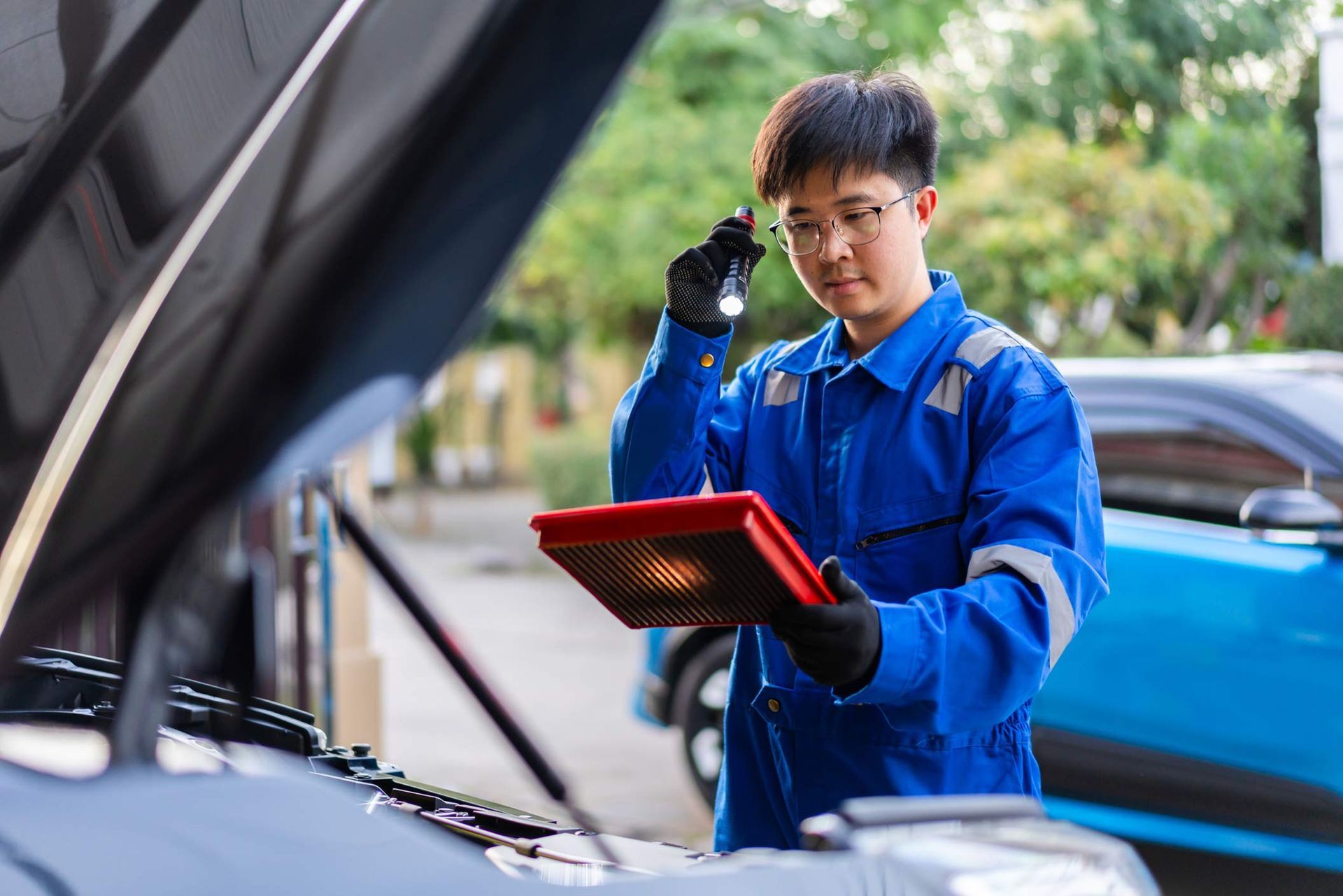
A clean engine air filter is essential for efficient combustion and fuel economy. Most manufacturers recommend replacement between 15,000 and 30,000 miles under normal conditions, but dusty or high-pollen environments, both common in Puyallup during spring, can shrink that window considerably. Inspecting the engine air filter at every oil change is a practical habit. A visually dirty filter should be replaced regardless of mileage, since restriction reduces fuel efficiency and strains the engine over time.


Cabin Air Filter Replacement Intervals

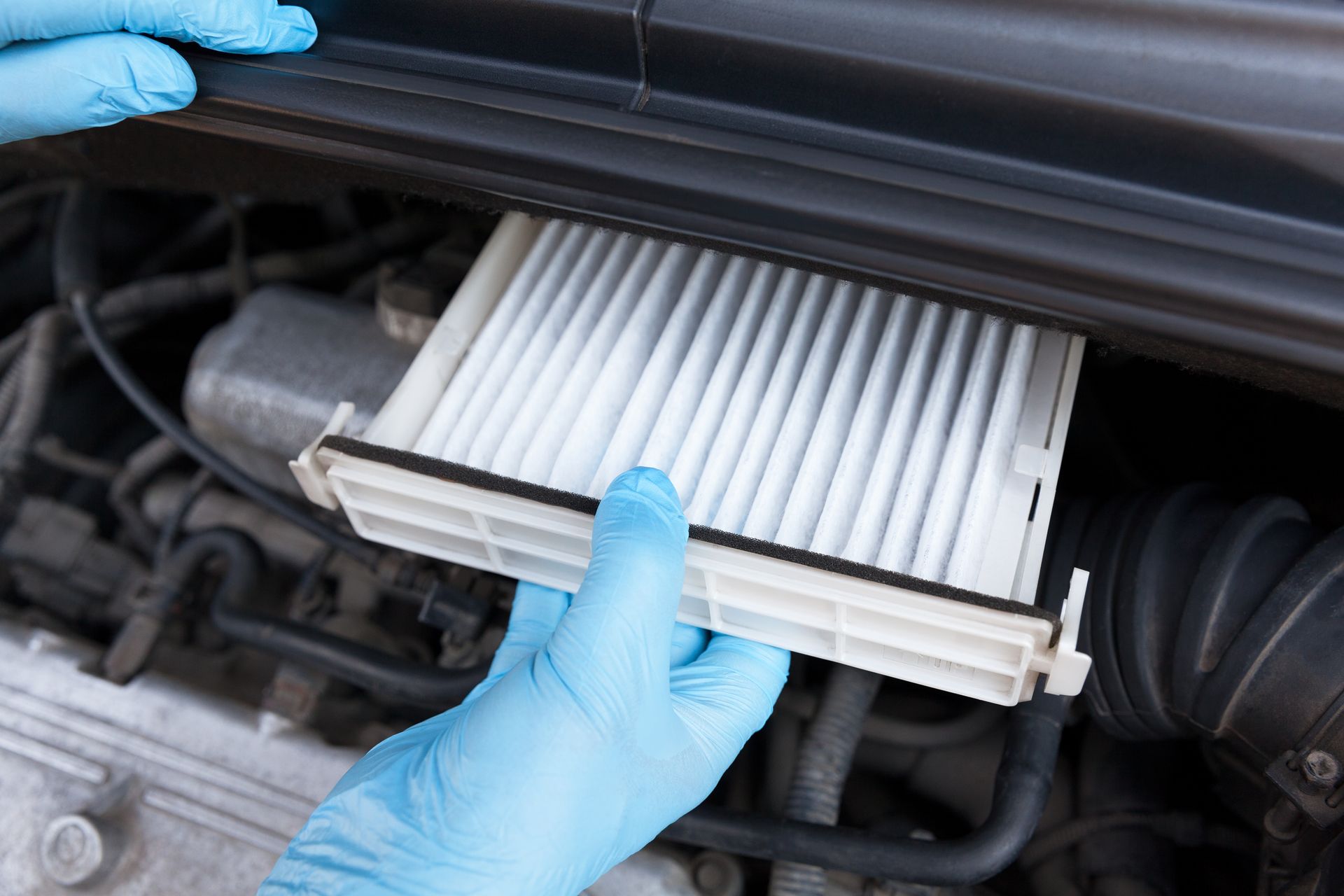
Your cabin air filter protects the air you breathe while driving, trapping dust, pollen, and bacteria before they circulate through your heating and air conditioning system. A typical replacement interval is around 15,000 miles, though Puyallup drivers in high-pollen areas may need to swap it sooner, particularly heading into allergy season. Cabin filters with activated carbon may degrade within about a year regardless of mileage, since the carbon material breaks down over time.

Common signs the cabin filter needs replacement include weak airflow from the vents, musty odors, and windows that are slow to defog. For additional guidance on how Puyallup pollen affects cabin and engine air filtration, visit the automobile filters resource page.


Fuel Filter Replacement Intervals

The fuel filter is often the most overlooked of the four main automobile filters. It removes contaminants from fuel before they reach your injectors, helping prevent hard starts, sluggish acceleration, and long-term injector damage. Most modern gasoline vehicles call for replacement between 30,000 and 60,000 miles, though older vehicles or those with inline fuel filters may need attention as early as 15,000 to 30,000 miles. If your vehicle hesitates at highway speed or struggles to start on cold Puyallup mornings, a clogged fuel filter may be a factor. Always consult your owner's manual, as intervals vary significantly by make, model, and year.


Quick-Reference Filter Replacement Guide

Use this guide as a starting point and adjust based on your vehicle's manual and Puyallup driving conditions.


Oil filters should be replaced with every oil change (5,000 to 7,500 miles), sooner for high-mileage engines or frequent short trips. Engine air filters typically last 15,000 to 30,000 miles, but heavy pollen, dusty roads, or a stop-and-go commute call for earlier replacement. Cabin air filters need attention around 15,000 miles or annually, sooner during pollen season or if you notice musty odors or weak vent airflow. Fuel filters generally last 30,000 to 60,000 miles, though sluggish acceleration, hard starts, or an older vehicle may signal an earlier swap.


How Do I Know if My Automobile Filters Need Replacing Early?

Watch for warning signs between scheduled services: a check engine light, reduced acceleration, decreased fuel economy, or unpleasant odors in the cabin can each point to a filter that needs attention ahead of schedule. In Puyallup's wet climate, moisture can accelerate mold buildup on cabin filters, so musty smells are worth investigating promptly.


Should I Replace All My Filters at the Same Time?

Not necessarily, though inspecting all filters together is efficient. Each type has its own service life, and replacing them on the same visit only makes sense if they are all due or visibly degraded. A trained parts specialist can advise which ones genuinely need replacement and which can wait.


Get the Right Filters Serving Puyallup Drivers

Williams Oil Filter Service carries an extensive inventory of automobile filters serving Puyallup, WA, drivers from its Tacoma location. Whether you need an oil filter for a daily commuter, a cabin air filter ahead of pollen season, or a fuel filter for an older vehicle, the team can help you identify the right part and interval for your specific situation. Call (253) 627-8163 or contact the team online to ask about your vehicle's filter needs. You can also find Williams Oil Filter Service on Google to read reviews and get directions.
By WOFSCO • October 12, 2026
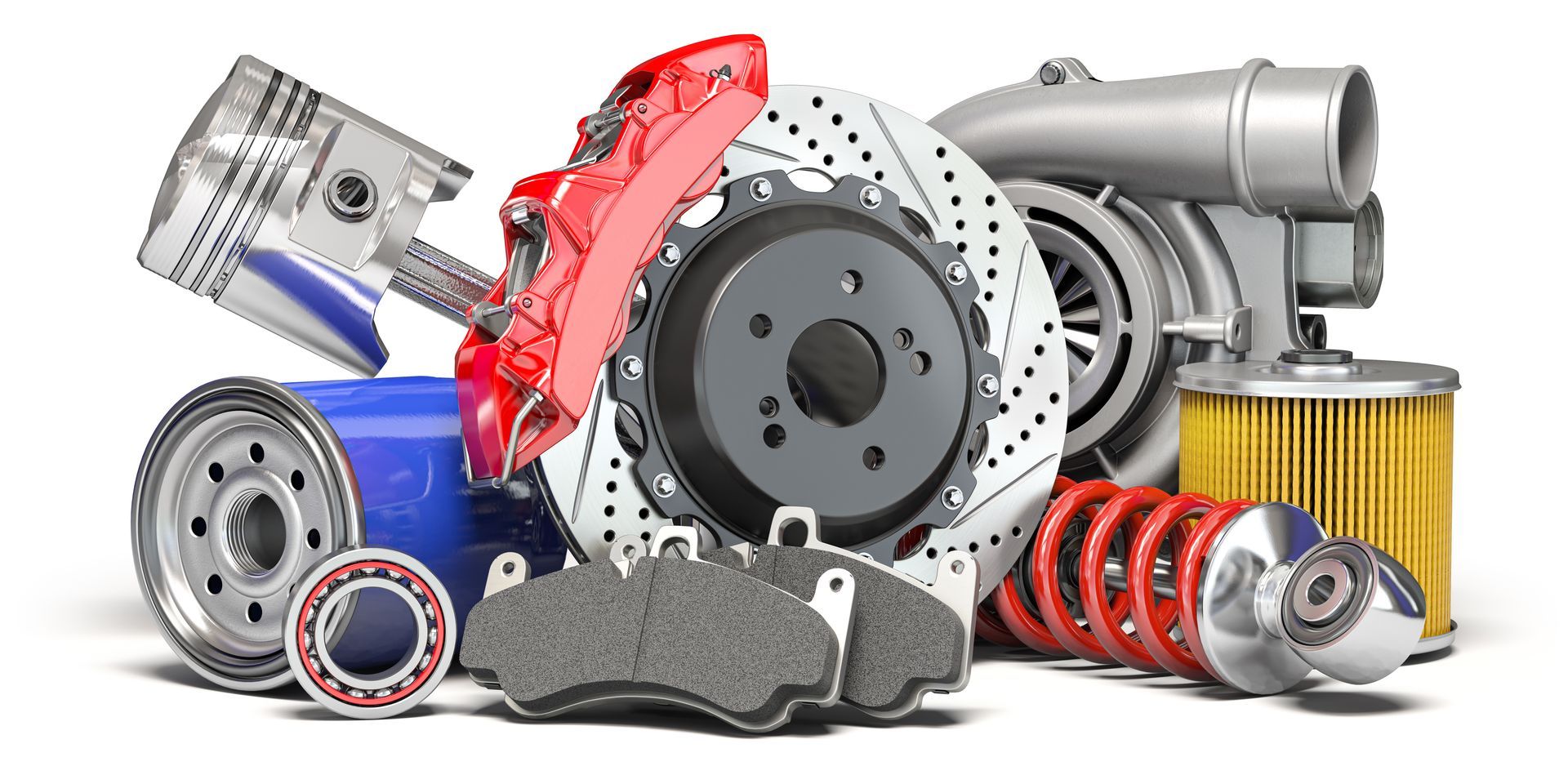
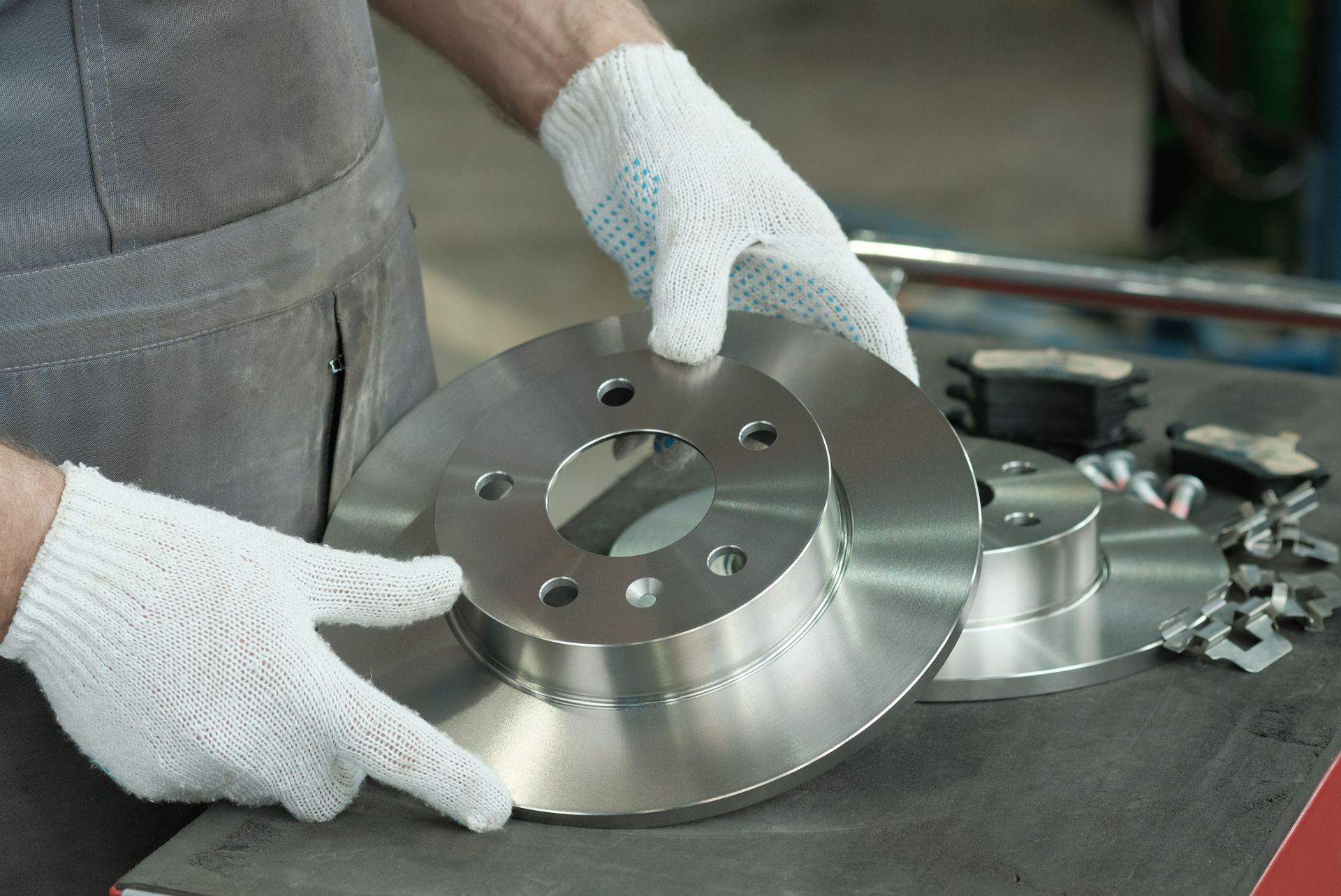
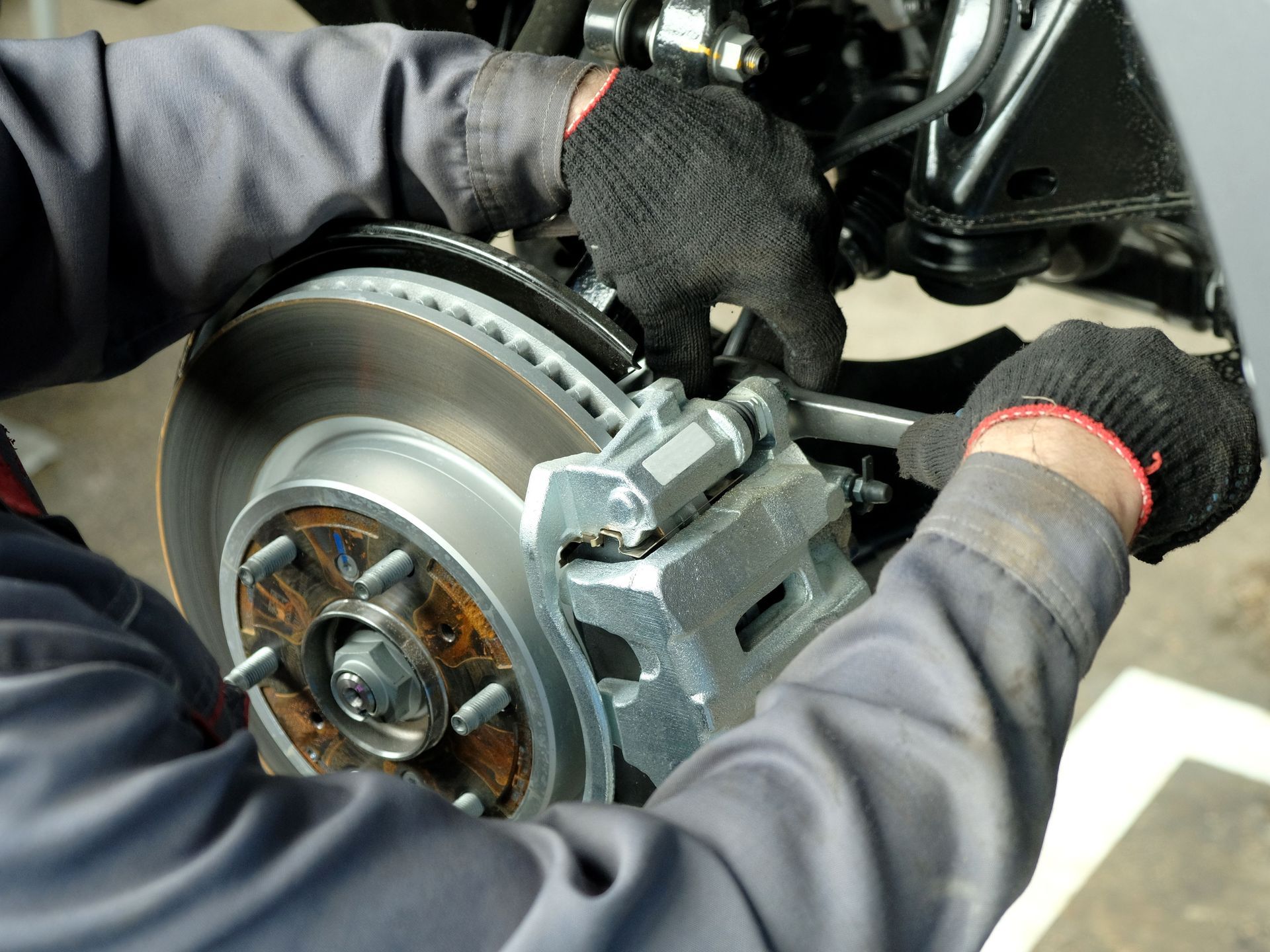
Brake repair parts are something most Tacoma, WA, drivers think about only when something feels wrong, but knowing which components wear out most often can help you plan ahead and stay safe on the road. This post breaks down the difference between brake calipers, brake pads, and rotors, explains which brake repair parts Tacoma drivers replace most, and helps you understand the signs that each component may need attention. Why Tacoma Driving Conditions Accelerate Brake Wear Tacoma's roads place extra stress on brake components compared to many other cities. Daily stop-and-go traffic on I-5 and SR-16, combined with the region's consistent rainfall and hillside neighborhoods, means brakes here can wear faster than drivers might expect. Wet weather plays a real role. When a vehicle sits overnight in Tacoma's damp Pacific Northwest climate, a layer of surface rust can form on iron rotors. Each time you drive, the brake pads have to work through that rust layer before making clean contact again. That cycle, repeated through a long wet winter, adds up to faster pad wear over time.  Steep descents through neighborhoods like the North End or routes dropping toward the Tacoma waterfront also demand sustained braking, which generates more heat than flat-road driving. Heat and moisture together create a genuinely tougher environment for every brake component on your vehicle. Which Brake Repair Parts Do Drivers Replace Most Often? Brake pads are the most frequently replaced brake repair part for most drivers, including those in Tacoma, WA. They are designed to wear down gradually through normal use, which is why they need to be checked and replaced more often than other components. Brake Pads: The Most Commonly Replaced Component Brake pads create the friction needed to slow your wheels. Over time, the friction material wears away and the pads become too thin to work effectively. Common signs include a squealing or squeaking noise, a longer stopping distance, or a grinding sound if the pads are severely worn. Because Tacoma drivers experience frequent braking in downtown traffic, along busy Port of Tacoma routes, and on hilly residential streets, pads may wear down sooner than the estimated range most manufacturers publish. Checking pad thickness regularly is a smart habit here. Brake Rotors: The Second Most Common Replacement Rotors work alongside pads and also need periodic replacement. Tacoma's wet climate promotes surface rust on rotors whenever a vehicle sits unused. While light surface rust is normal and clears after a few stops, prolonged moisture exposure and repeated heat-and-cool cycles can cause uneven rotor surfaces over time. You may notice vibration through the brake pedal, pulsing when you slow down, or a grinding noise if rotors are worn, warped, or corroded beyond the point where resurfacing helps. Rotors typically outlast pads, but they are still a regular replacement item for most drivers. Brake Calipers: Less Frequent but Critical Brake calipers can last significantly longer than pads or rotors, often well past 100,000 miles on many vehicles. However, they are not immune to wear or failure, especially in a climate like Tacoma's where moisture and road grime are constant factors. Signs that a caliper may need attention include pulling to one side when braking, uneven pad wear between wheels, a dragging sensation, or a fluid leak near a wheel. Caliper issues are less common, but when they occur, they can affect the performance of every other brake component on that corner of the vehicle. Brake Lines and Hoses: Often Overlooked Brake hoses and lines are easy to overlook because they do not create direct friction. They carry brake fluid from the master cylinder to the calipers, making them essential to how the whole system functions. In a wet and salty coastal environment like Tacoma's Puget Sound area, hoses can degrade and lines can corrode over time. A soft or spongy brake pedal can be a symptom of a hose that is beginning to fail internally. Regular inspection of these components is part of keeping the full braking system in good working order. FAQ: Brake Repair Parts for Tacoma Drivers
Mechanic repairing the truck in service.
July 30, 2026
Keep your fleet running with the right semi truck filters. Williams Oil Filter Service serves Tacoma fleets. Shop our inventory or request a quote today.
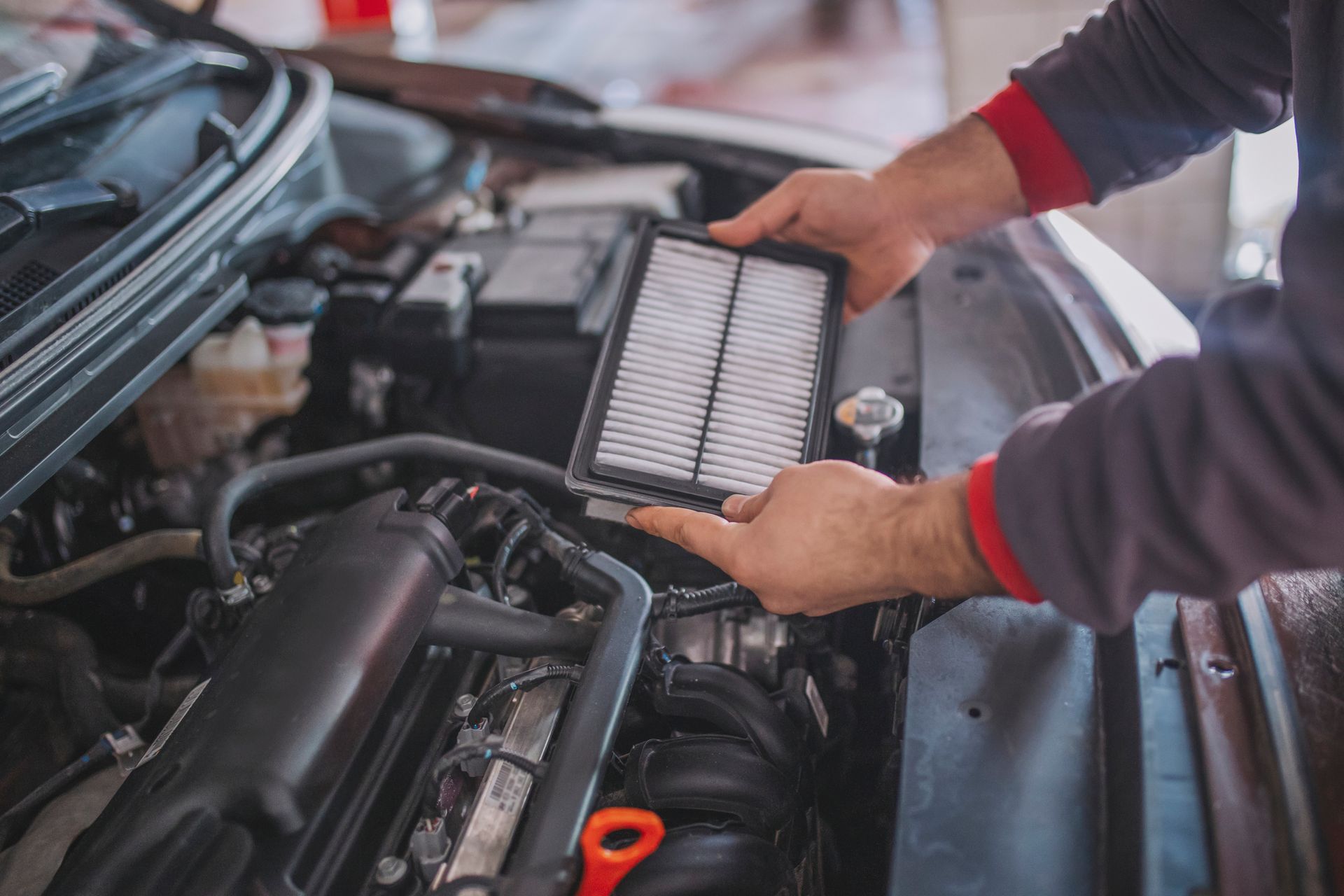
Gloved hands installing a clean white cabin air filter inside a car engine compartment.
May 6, 2026
Breathe easier in Puyallup with Williams Oil Filter Service. Learn how automobile filters protect your family this pollen season. Call (253) 627-8163 today.
Car parts or auto car spare isolated on white background.
March 24, 2026
Learn how to choose the right brake parts in Tacoma, WA. Get expert tips and find reliable components. Call Williams Oil Field Service at (253) 627-8163 today!
Auto mechanic service repairs a customer's car.
October 18, 2025
Keep your car running smooth with regular automobile filter replacement in Puyallup, WA. Trust Williams Oil Filter Service Co.—contact us today!
Close-up of a man's hands holding brake parts, showing detailed car components.
August 22, 2025
Delve into vital brake components that keep you safe. Explore quality brake parts in Tacoma, WA at Williams Oil Field Service—contact us at (253) 627-8163!
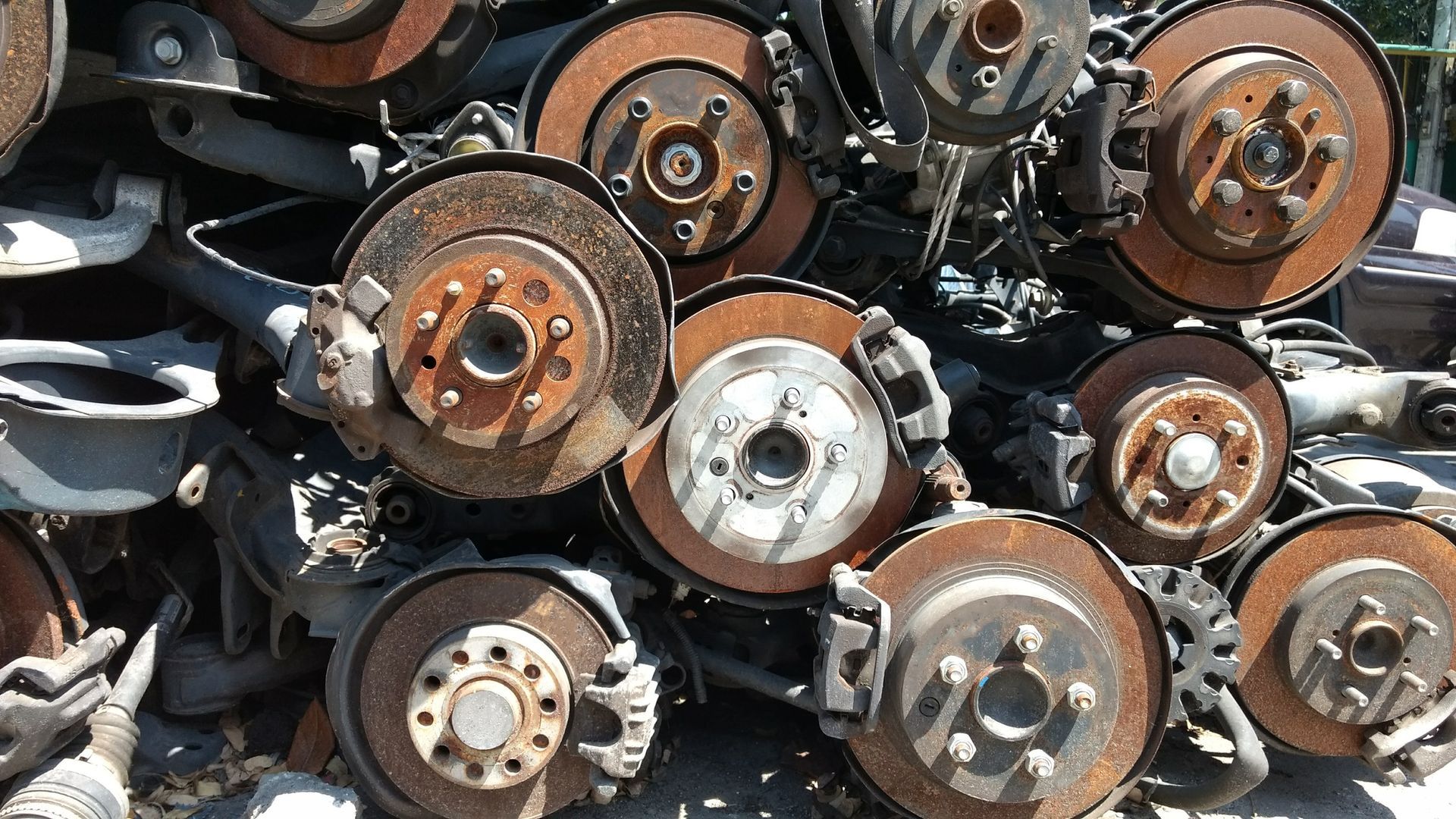
A pile of rusty metal discs | Brake Parts in Tacoma WA
May 6, 2025
Learn how to choose the right brake parts in Tacoma, WA with World of Safety Co. Contact us today for expert advice.
A technician from Williams Oil Filter Service in Puyallup, WA, is installing car filters.
February 27, 2025
Learn about the top signs that indicate your car filters in Puyallup, WA, need replacing. Call Williams Oil Filter Service today at (253) 627-8163.
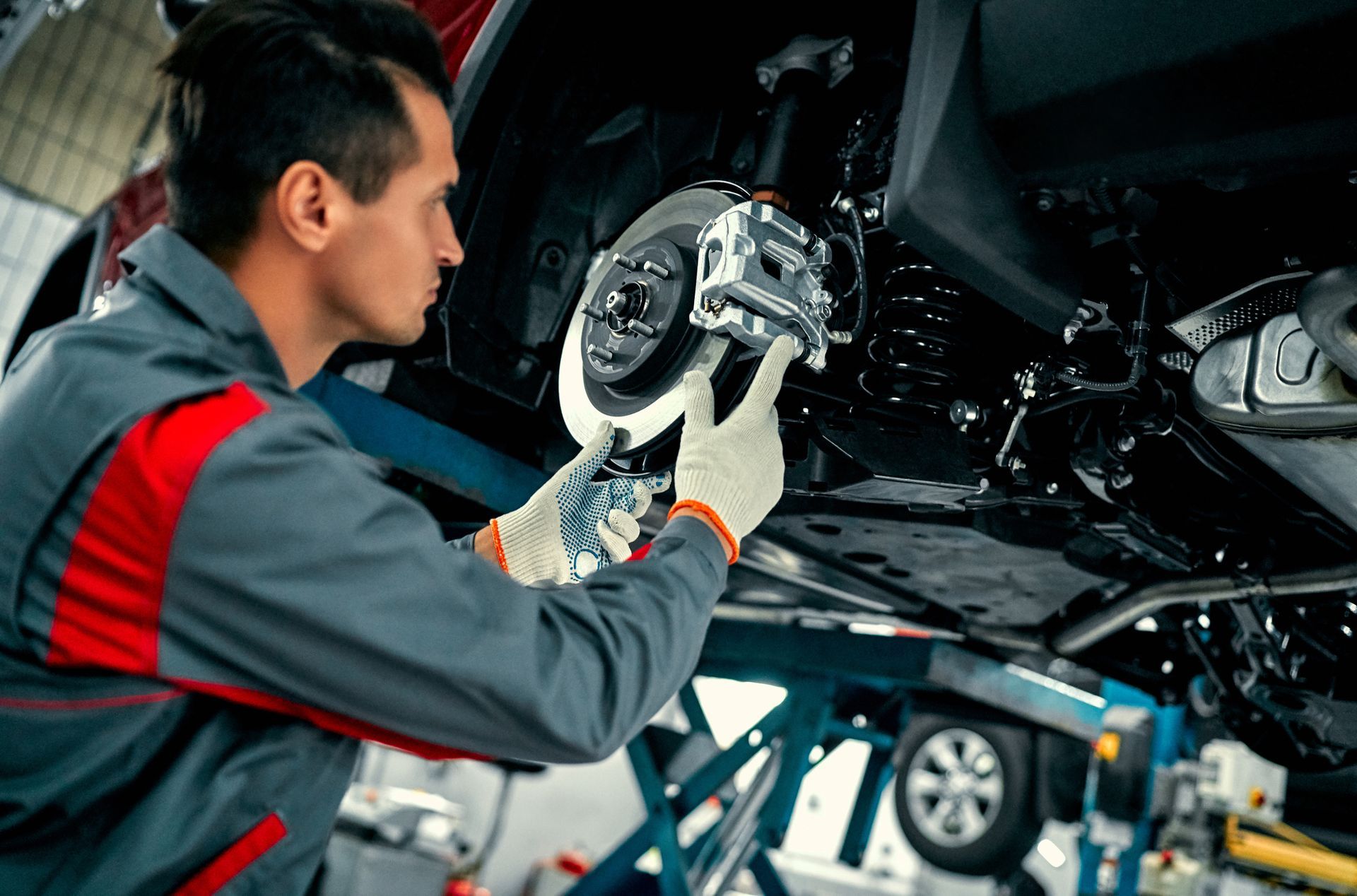
Mechanic examining brake parts in Tacoma, WA, ensuring quality and safety for vehicles with professi
January 7, 2025
Discover the lifespan of brake parts in Tacoma, WA, and learn when to replace pads, rotors, and other components. Contact us for reliable brake parts!