Semi Truck Filter Maintenance Schedule: What Tacoma Fleet Operators Need to Know
How often should you replace the filters on a Class 7-8 truck? In this article, we cover the service intervals for engine oil, fuel, air, coolant, and DPF filters, along with what happens when you skip a service interval, so your fleet keeps running reliably in the Pacific Northwest.
Tacoma, WA, sits at the crossroads of Interstate 5 and Highway 16, making it a major distribution hub for freight moving from the Port of Tacoma through the South Sound region. Local fleets often mix port drayage runs with long-haul highway miles, two duty cycles that affect filter wear in different ways.
Key Semi Truck Filter Change Intervals for Class 7-8 Trucks
Most Class 7-8 diesel trucks carry five critical filter types, each with its own service window.
- Engine oil filter: Every 15,000 to 25,000 miles, depending on oil type and manufacturer guidelines.
- Fuel filter (primary and secondary): Every 15,000 to 20,000 miles. Check water separator bowls more frequently during wet seasons.
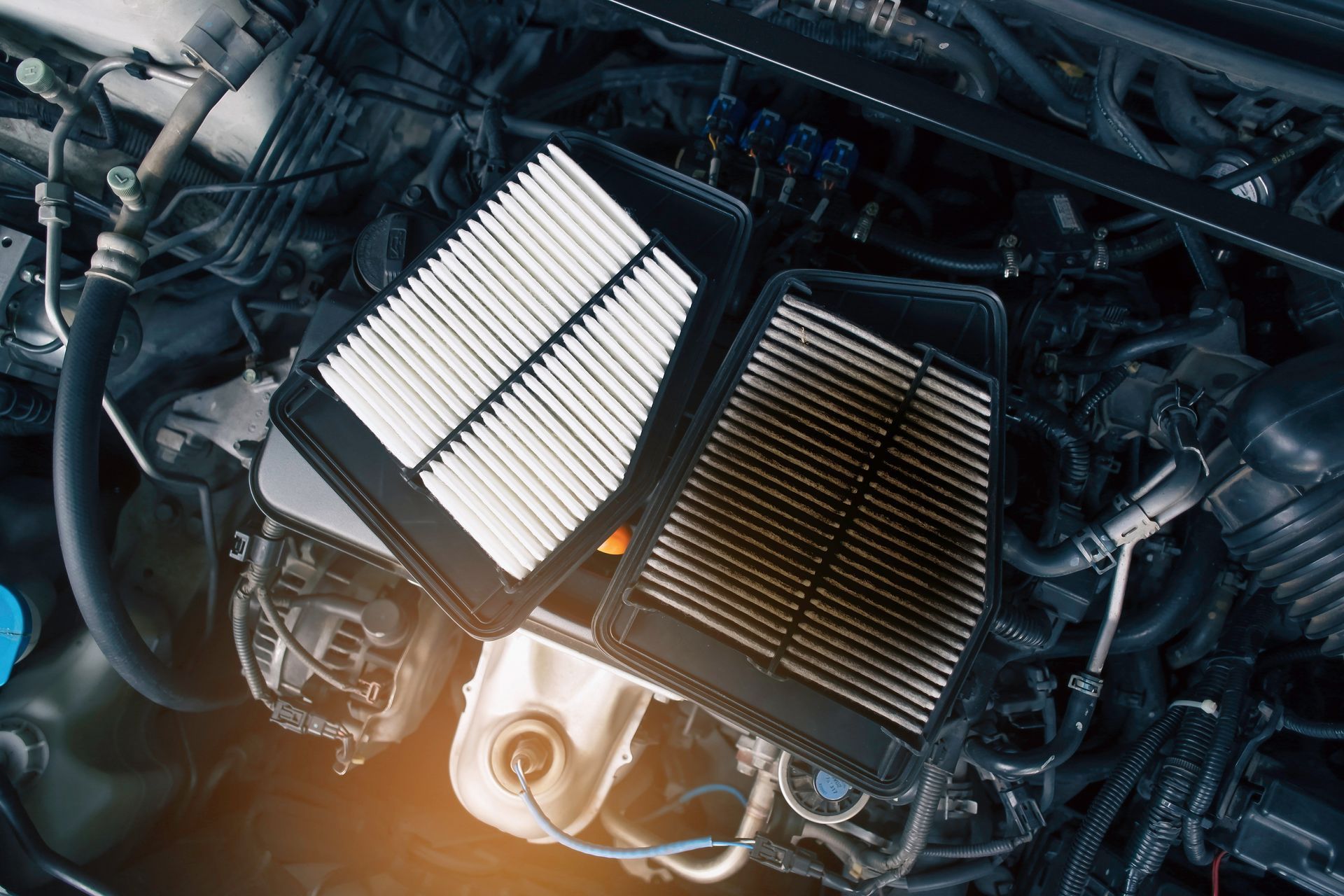
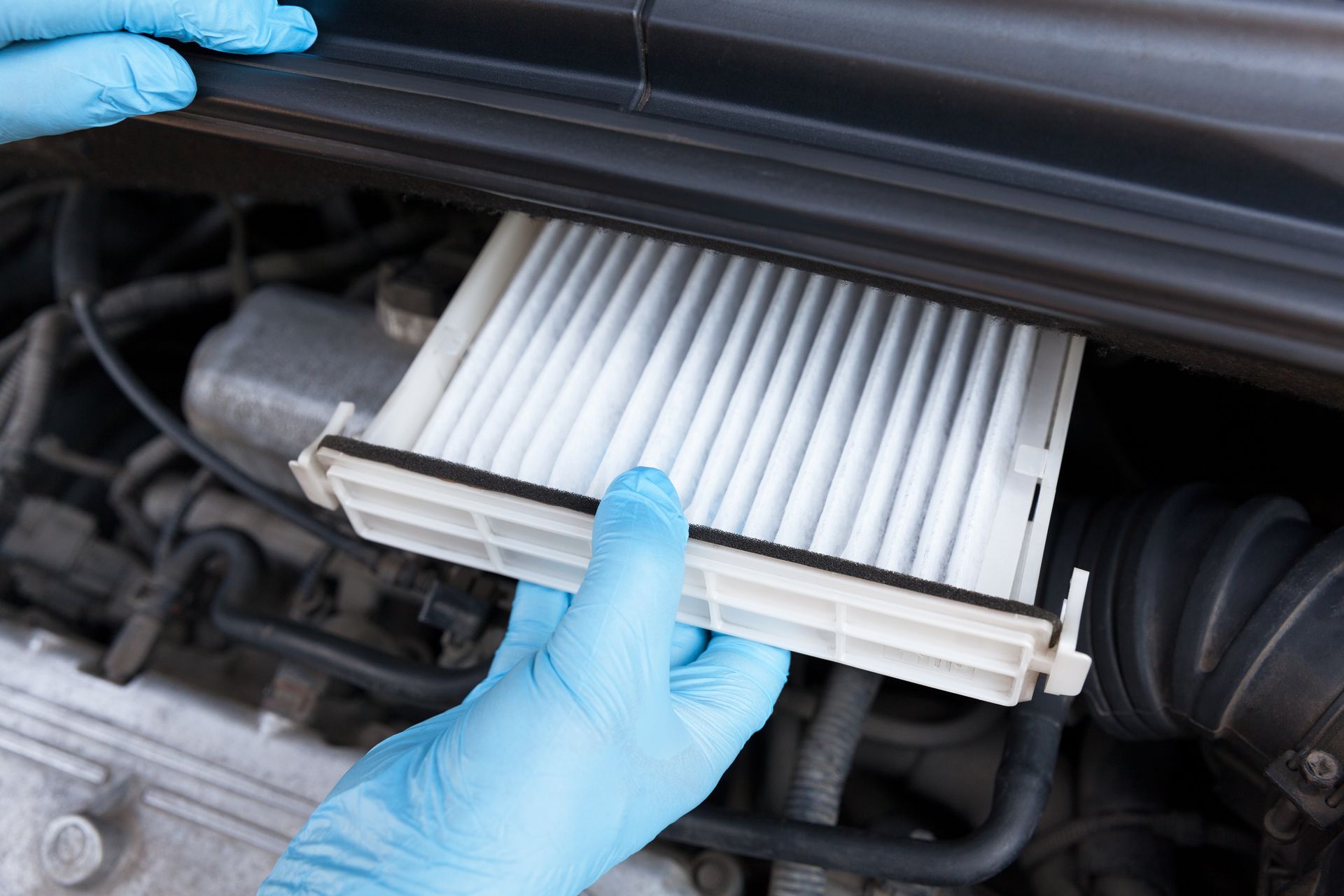
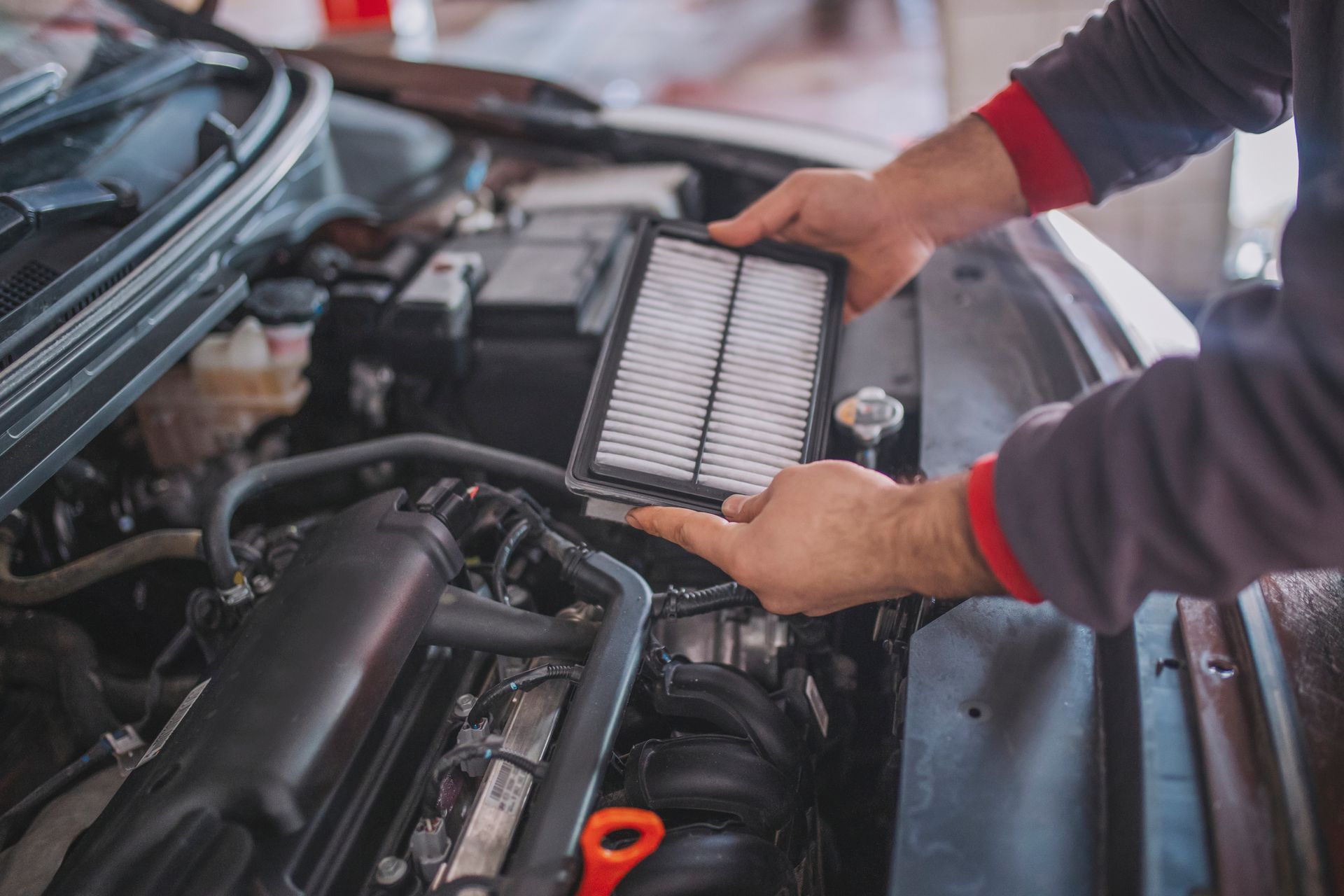
- Air filter: Inspect every 25,000 miles; replace when restriction indicators trigger or during scheduled PM service.
- Coolant filter: Every 150,000 to 300,000 miles or at each coolant service to control cavitation and corrosion.
- DPF (Diesel Particulate Filter): Cleaning or replacement typically every 100,000 to 150,000 miles depending on duty cycle and fuel quality.
Always defer to your engine manufacturer's OEM service manual for authoritative intervals.
How Pacific Northwest Conditions Affect Filter Life
Local conditions can shorten semi truck filter intervals faster than the calendar suggests.
Rain and humidity: Western Washington's wet climate promotes moisture intrusion in fuel systems, accelerating microbial growth and clogging filter media sooner than in drier regions.
Idling at the Port of Tacoma: High idle time loads the DPF with soot faster, since exhaust temperatures needed for passive regeneration are rarely reached at idle.
Short runs and cold starts: Frequent short hauls through Fife, Puyallup, and the Tideflats corridor prevent the engine from reaching full operating temperature, accelerating oil contamination and reducing oil filter service life.
DPF Regeneration Basics for Tacoma Fleet Operators
The DPF traps soot and burns it off through regeneration. Passive regeneration happens automatically on hot highway runs. Active regeneration is triggered by the ECM when soot loads climb. Trucks stuck in port traffic or stop-and-go routes may need more frequent DPF inspection or cleaning.
What Happens If You Skip a DPF Service?
A neglected DPF, one of the key semi truck filters on a diesel engine, can reach a point where soot and ash can no longer be burned off through regeneration. This triggers warning lights, reduces power, and typically requires a costly replacement rather than a simple cleaning.
How Do I Know When My Air Filter Needs Replacing?
Most Class 7-8 trucks include a restriction indicator on the air intake. Replace the filter promptly when it signals a blockage. A restricted air filter reduces fuel economy and increases turbocharger wear.
Does Fuel Quality in Washington Affect Fuel Filter Life?
Yes. Biodiesel blends common in Washington absorb more water than standard diesel, accelerating clogging in primary and secondary fuel filters, especially during cooler months when fuel gelling is also a risk.
Semi Truck Filter Maintenance Checklist
- Drain the fuel filter water separator bowl at every PM stop.
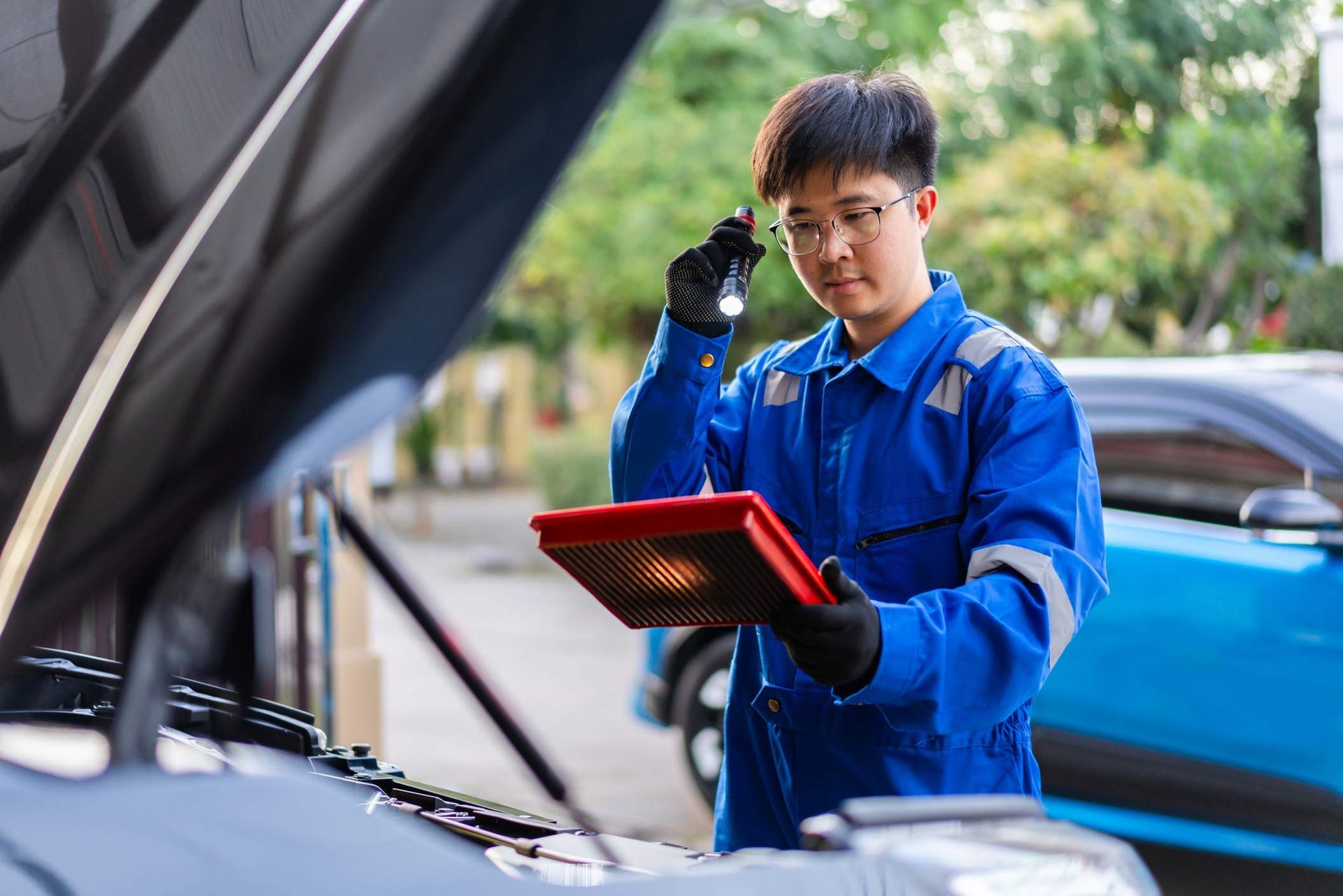
- Inspect the air filter restriction indicator each visit.
- Confirm oil filter replacement aligns with your engine's drain interval.
- Log DPF regeneration frequency to catch rising soot trends early.
- Service coolant filters based on SCA test results.
- Review actual duty cycle before defaulting to mileage-only intervals.
Get the Right Filters for Your Tacoma Fleet
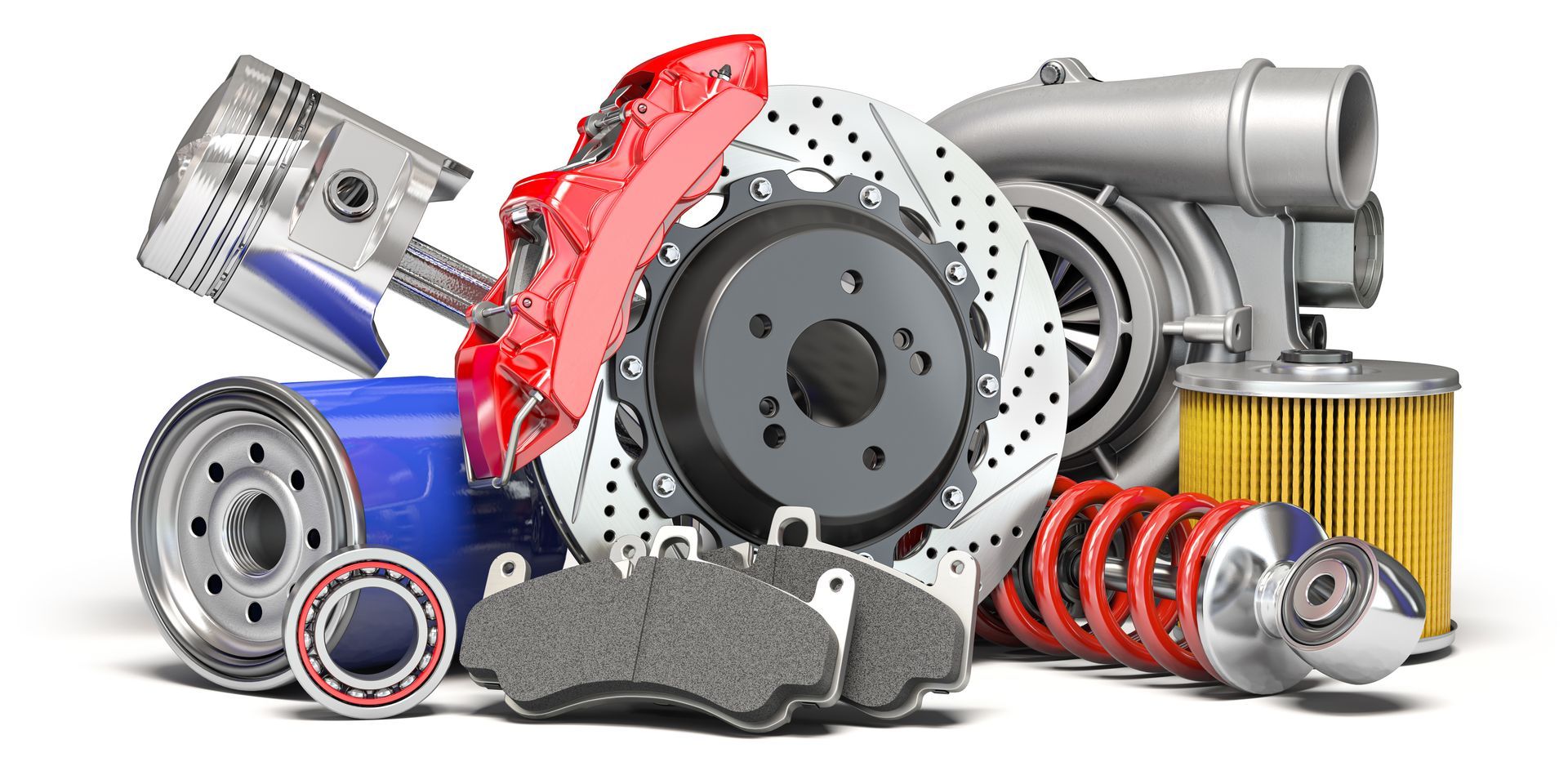
Williams Oil Filter Service has supplied filtration products to the South Sound region since 1946, stocking an extensive inventory of semi truck filters and diesel maintenance parts for commercial operators. Browse available filter products or contact the team to confirm availability for your specific make and model. Call (253) 627-8163 Monday through Friday to place an order or ask about fleet pricing.