Why Regular Automobile Filter is Essential for Drivers
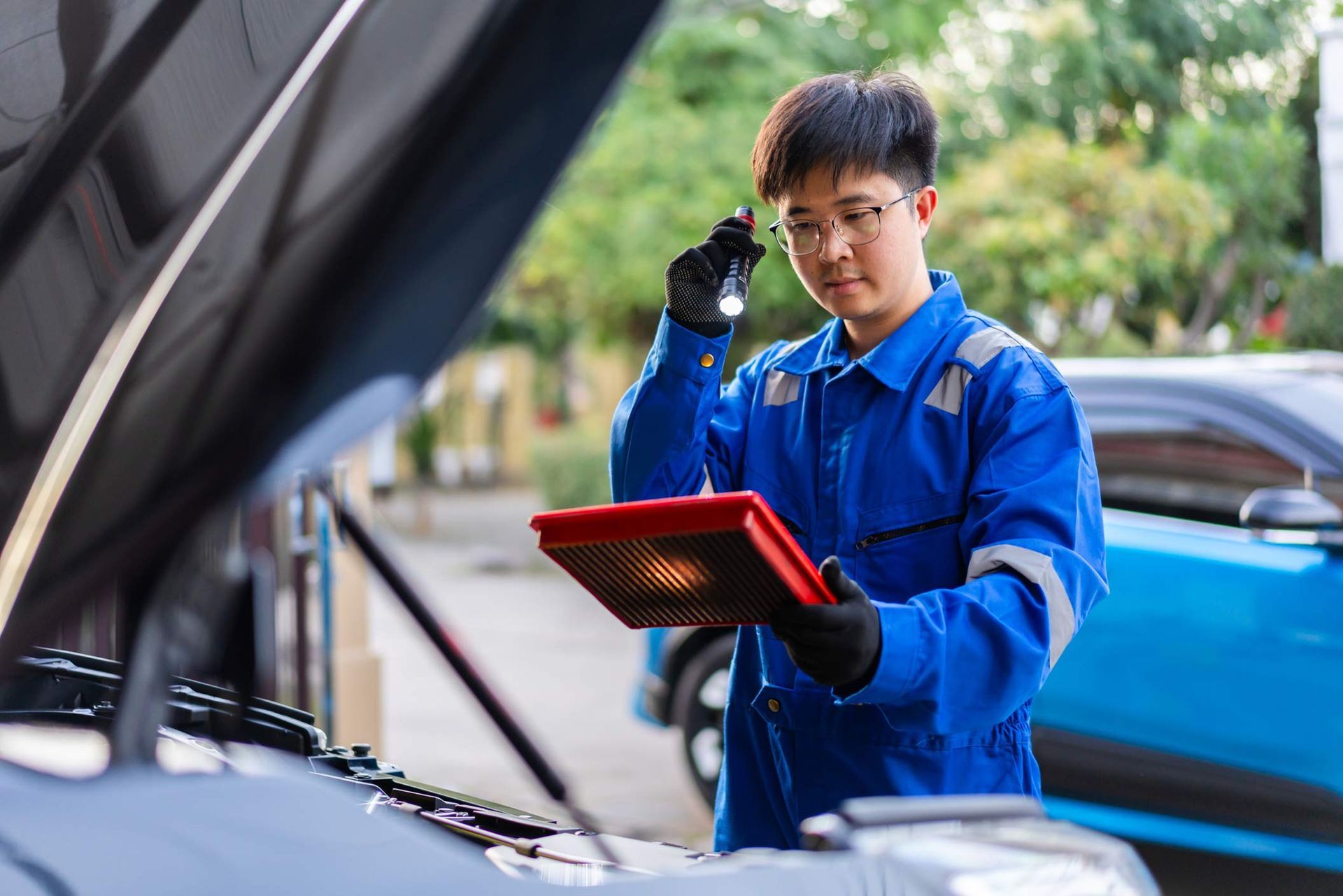
Have you ever wondered why keeping up with your automobile filtersin Puyallup, WA, is critical for your vehicle’s health? For local drivers, understanding the importance of air, oil, and fuel filter maintenance can save time, money, and frustration. These small but mighty components protect your engine from harmful contaminants, improving fuel efficiency and reducing emissions. This detailed guide from Williams Oil Filter Service Co. highlights why regular filter replacement is indispensable in Puyallup’s unique driving environment.
What Exactly Is an Automobile Filter, and Why Does It Matter?
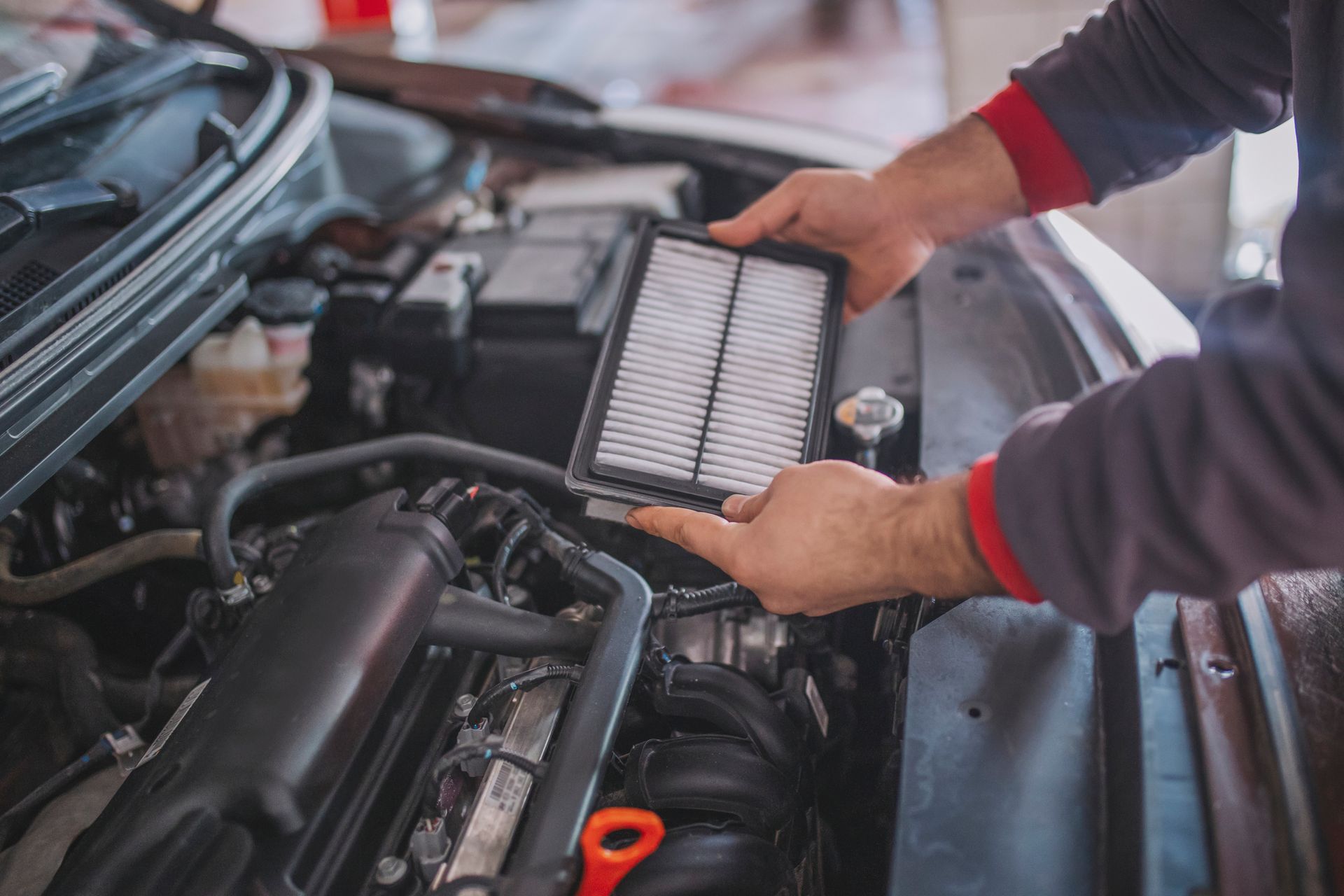
An automobile filter is designed to eliminate impurities from the fluid or air systems crucial to your car’s engine. Think of automobile filters as the gatekeepers that prevent damaging dust, dirt, metal particles, and other contaminants from reaching sensitive engine components. Without functioning filters, your engine is exposed to harmful debris, which can cause premature wear, reduced engine life, and poor performance.
There are three main types of automobile filters you need to know about:
- Air Filters: Clean the air before it enters the engine’s combustion chamber.
- Oil Filters: Purify the engine oil to ensure effective lubrication.
- Fuel Filters: Remove impurities from the fuel before it reaches the engine.
Each filter type specializes in protecting different parts of your vehicle, and all are essential for maintaining overall engine health.
How Dirty Automobile Filters Affect Your Vehicle’s Performance
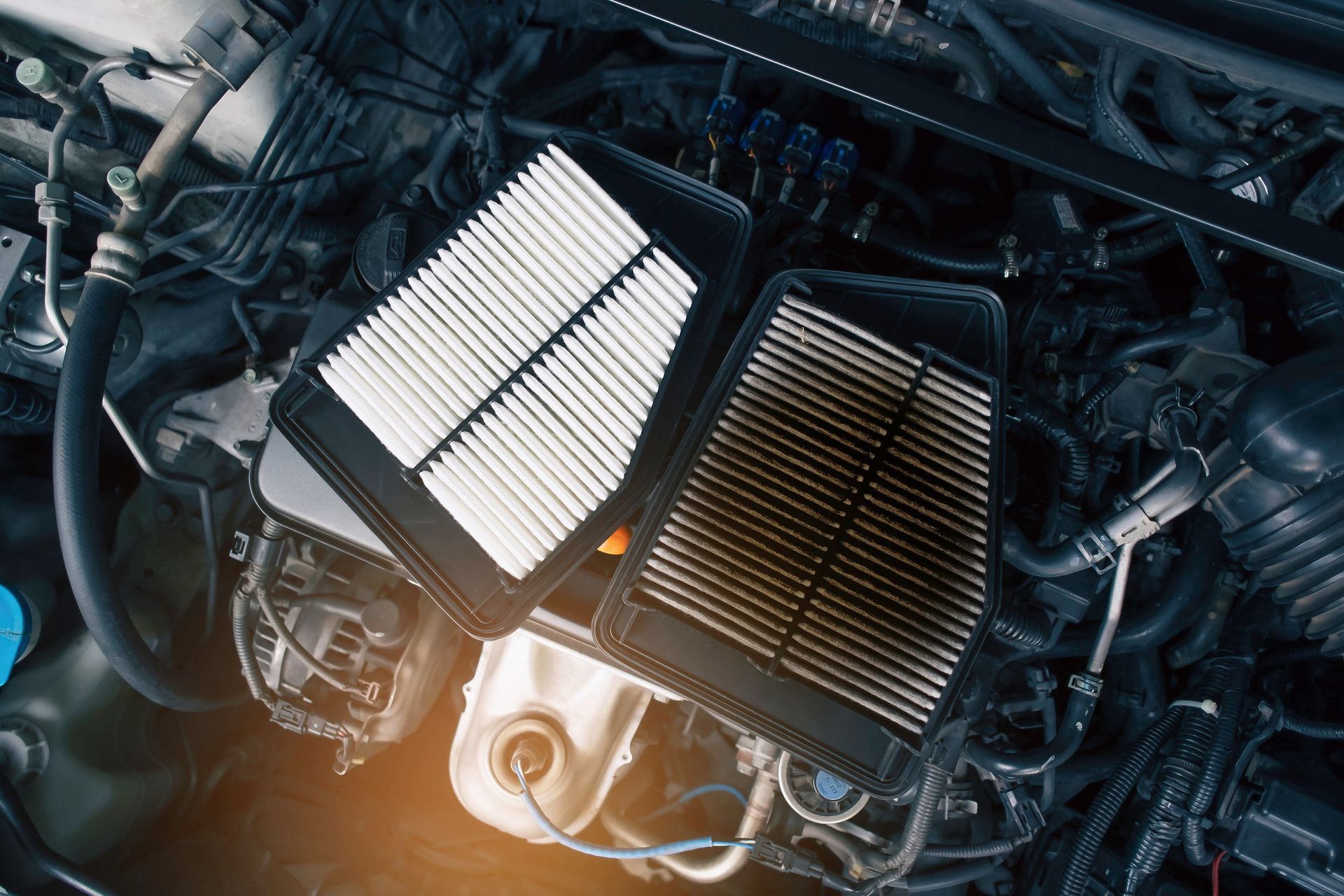
When automobile filters become clogged or dirty, they no longer perform their protective role. For example, a dirty air filter restricts the amount of air entering the engine. Since the engine depends on a precise air-fuel mixture for efficient combustion, this restriction can cause the engine to run rich, burning more fuel and emitting higher levels of pollutants.
Similarly, an oil filter clogged with impurities can cause dirty oil to circulate, leading to increased friction and accelerated engine wear. A compromised fuel filter allows particles to clog injectors or carburetors, causing rough idling, hesitation, or stalling.
All of these issues result not only in compromised engine performance but also reduced fuel efficiency—a concern for Puyallup drivers who regularly navigate stop-and-go traffic and variable weather conditions.
Why Puyallup’s Driving Conditions Impact Your Automobile Filter’s Lifespan
Puyallup’s climate and local environment contribute uniquely to how quickly your automobile filter ages. The region’s humid, rainy climate means filters—especially air and oil filters—are more susceptible to moisture retention, which can accelerate clogging and corrosion.
Also, Puyallup is growing rapidly, with new construction sites that generate dust and dirt. This increases the airborne particulates your air filter must filter out. The presence of urban pollution further challenges your fuel filter, which needs to keep fuel clean amidst fluctuating quality.
Drivers in Puyallup also often experience stop-and-go traffic in and around downtown and highway congestion, increasing engine strain and accelerating oil degradation, which places greater demand on your oil filter. Understanding these local factors helps Puyallup residents appreciate why timely filter replacement is so important.
Recommended Automobile Filter Replacement Intervals for Puyallup Drivers
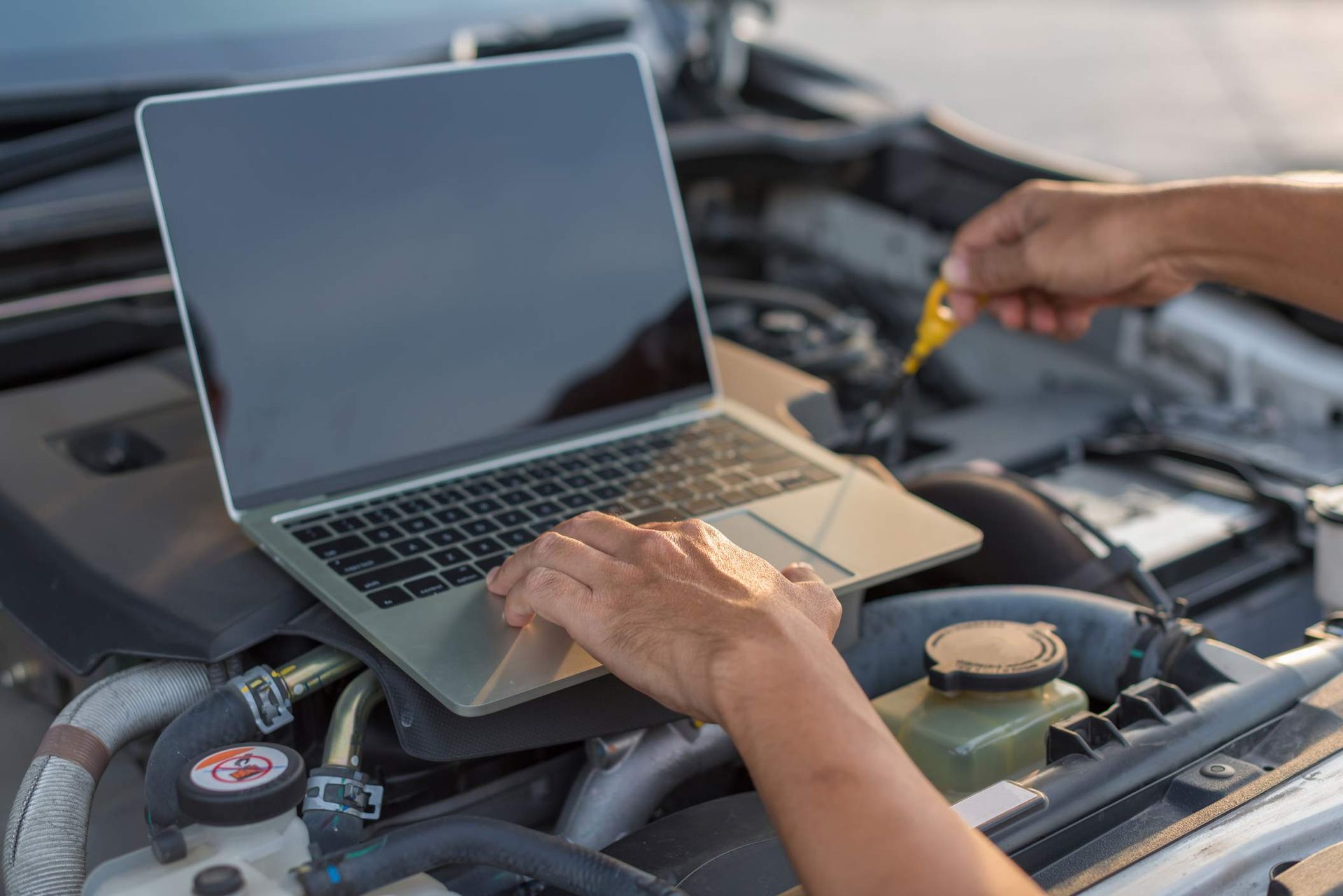
Knowing when to replace your automobile filter can dramatically extend your engine’s life and keep your vehicle running efficiently. While manufacturer recommendations vary, typical replacement intervals to keep in mind are:
- Air Filter: Replace every 12,000 to 15,000 miles or approximately once per year. If you drive through dusty or heavily polluted areas, consider inspecting it more frequently.
- Oil Filter: Change the oil filter with every oil change, typically every 3,000 to 7,500 miles depending on your oil type and driving habits.
- Fuel Filter: Replace fuel filters every 20,000 to 40,000 miles or as specified in your vehicle’s manual.
Regular inspections by trusted professionals like Williams Oil Filter Service Co. can help determine the best schedule tailored for your driving style and Puyallup’s environmental conditions.
Recognizing When Your Automobile Filter Needs Replacement
Every Puyallup driver should watch for these common signs indicating that filters need your attention:
- Reduced Engine Performance: Noticeable sluggishness or lack of acceleration, especially when going uphill or carrying heavy loads.
- Higher Fuel Consumption: You may find yourself at the pump more often as your engine fights to compensate for airflow or fuel restrictions.
- Strange Engine Sounds or Rough Idle: Filtering issues can manifest in odd noises or unstable engine operation.
- Dashboard Warning Lights: The Check Engine light or maintenance reminders may indicate filter-related problems.
- Visible Dirt or Oil Leakage: During routine inspection, dusty, clogged air filters or oily, damaged oil filters are clear red flags.
Early replacement prevents these issues from escalating into expensive engine repairs.
The Environmental Benefits of Maintaining Your Automobile Filter
Replacing your automobile filter on time doesn’t just improve your car’s operation—it also helps protect the environment. Cleaner filters reduce harmful exhaust pollutants released into the air, helping Puyallup’s air quality and contributing to your community’s overall health.
Maintaining fuel efficiency by using clean filters means you consume less fossil fuel. This reduces greenhouse gas emissions and lowers your carbon footprint. By staying proactive about your automobile filter maintenance, you play a role in maintaining a cleaner, greener Puyallup.
Ready for Cleaner, More Efficient Driving in Puyallup?
Don’t wait for a warning light to remind you of your vehicle’s filter condition. Regular maintenance of your automobile filters in Puyallup, WA, not only bolsters engine performance but also enhances fuel economy and reduces your environmental footprint. For reliable, professional advice and filter replacement services, contact Williams Oil Filter Service Co. today at (253) 627-8163 or visit our contact page. Our knowledgeable team is here to help you maintain your vehicle’s health and navigate Puyallup roads with confidence.